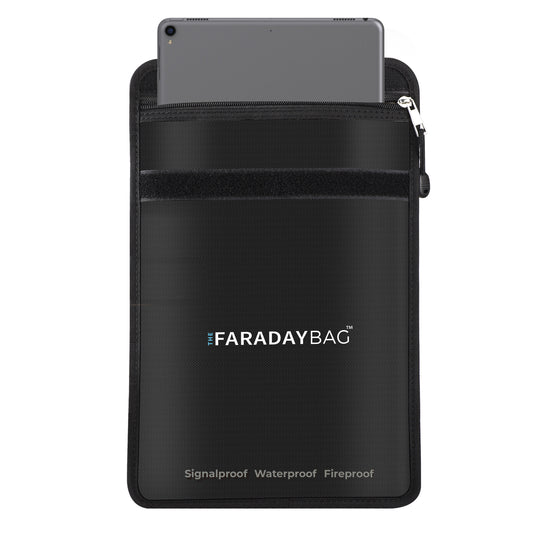
EMP Bags: Faraday Storage for Spare Electronics
An EMP bag is a Faraday bag used to store spare electronics as a precaution against an electromagnetic pulse, usually two bags nested, each fully sealed. There is no public EMP test of these bags, so treat them as a sensible layer, not proof of protection. A practical start: a phone-size pouch sealed inside the largest (13.8 × 17.7 in) Signal Blocking Faraday Bag.
-
Double-Layer Fireproof Shielding Pouch — Phone, Card & Document Organizer
Regular price From $17.95Regular price From $17.95 Sale priceUnit price per$17.95 -
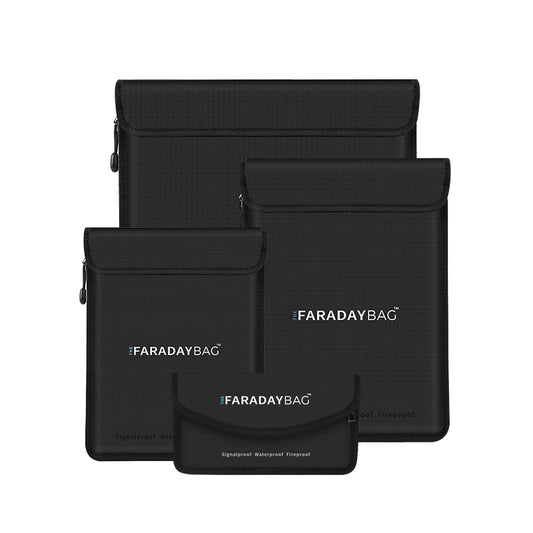
Signal Blocking Faraday Bag — 3 Sizes, Phone to Laptop
Regular price From $10.95Regular price From $10.95 Sale priceUnit price per -
Faraday Bag — 5 Sizes from Key Fob to Laptop, Roll-Top Closure
Regular price From $21.95Regular price From $21.95 Sale priceUnit price per -
Fire-Resistant Faraday Bag — 4 Sizes, Key Fob to 15" Laptop
Regular price From $19.95Regular price From $19.95 Sale priceUnit price per -
Faraday Bag for Phone & Laptop — Fire-Resistant, 2 Sizes
Regular price From $14.95Regular price From $14.95 Sale priceUnit price per -
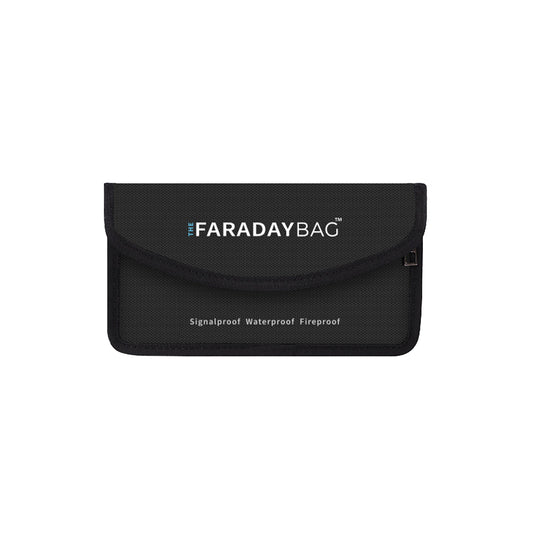
Faraday Bag for Phone | Fireproof & Waterproof
Regular price $14.99Regular price $14.99 Sale priceUnit price perSold out -
Faraday Bag 4-Pack | Fireproof, Signal Blocking & Waterproof
Regular price $49.95Regular price $49.95 Sale priceUnit price perSold out -
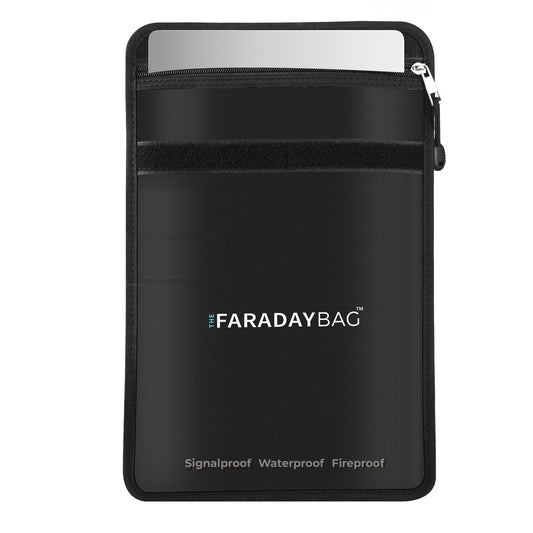
Faraday bag for laptops 9.5” x 13” | Fireproof & Waterproof
Regular price $19.99Regular price $19.99 Sale priceUnit price perSold out -
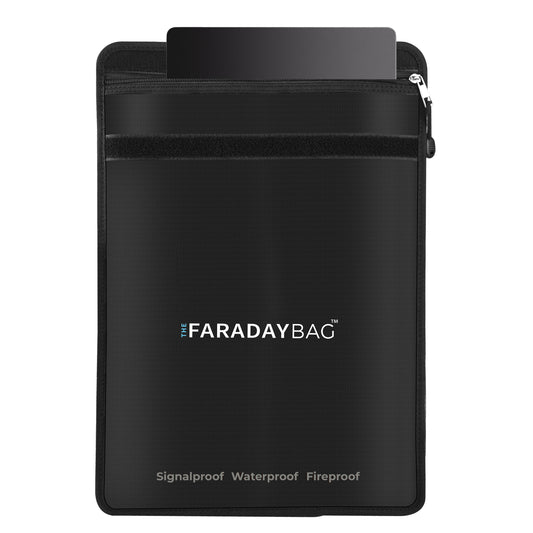
Large Faraday Bag 14” x 17” | Fireproof & Waterproof
Regular price $23.99Regular price $23.99 Sale priceUnit price perSold out -
EMP Faraday Bag for Electronics & Documents
Regular price $26.99Regular price $26.99 Sale priceUnit price perSold out